
Not sure where to start? Grab my free guide
to the six supplements I take every day.
Why I Stopped Being Afraid of HRT
I recently got confirmation of something I already suspected: I’m in menopause. And instead of dreading it, I switched my prescription and started asking my doctor about testosterone. That sentence alone would have terrified me a decade ago.
If you’re afraid of HRT, I understand why. Most of us grew up hearing that hormone therapy causes cancer, full stop, end of conversation. That fear came from one study, taken out of context, that shaped medical advice for twenty years. The research has moved on. A lot of women haven’t heard that yet.
My Three Phases of Hormones
I’ve actually been managing hormones for most of my adult life, just in different forms depending on what my body needed at the time. And that’s the thing I want you to take from my story: none of these phases were a generic recommendation. Each one was based on what my body and my hormone levels were actually doing, worked out with my doctor. HRT isn’t one prescription that fits every woman. It’s a moving target you adjust as your body changes.
In my younger years, I dealt with estrogen dominance and supplemented with progesterone to bring things back into balance. That was phase one, long before menopause was even on my radar.
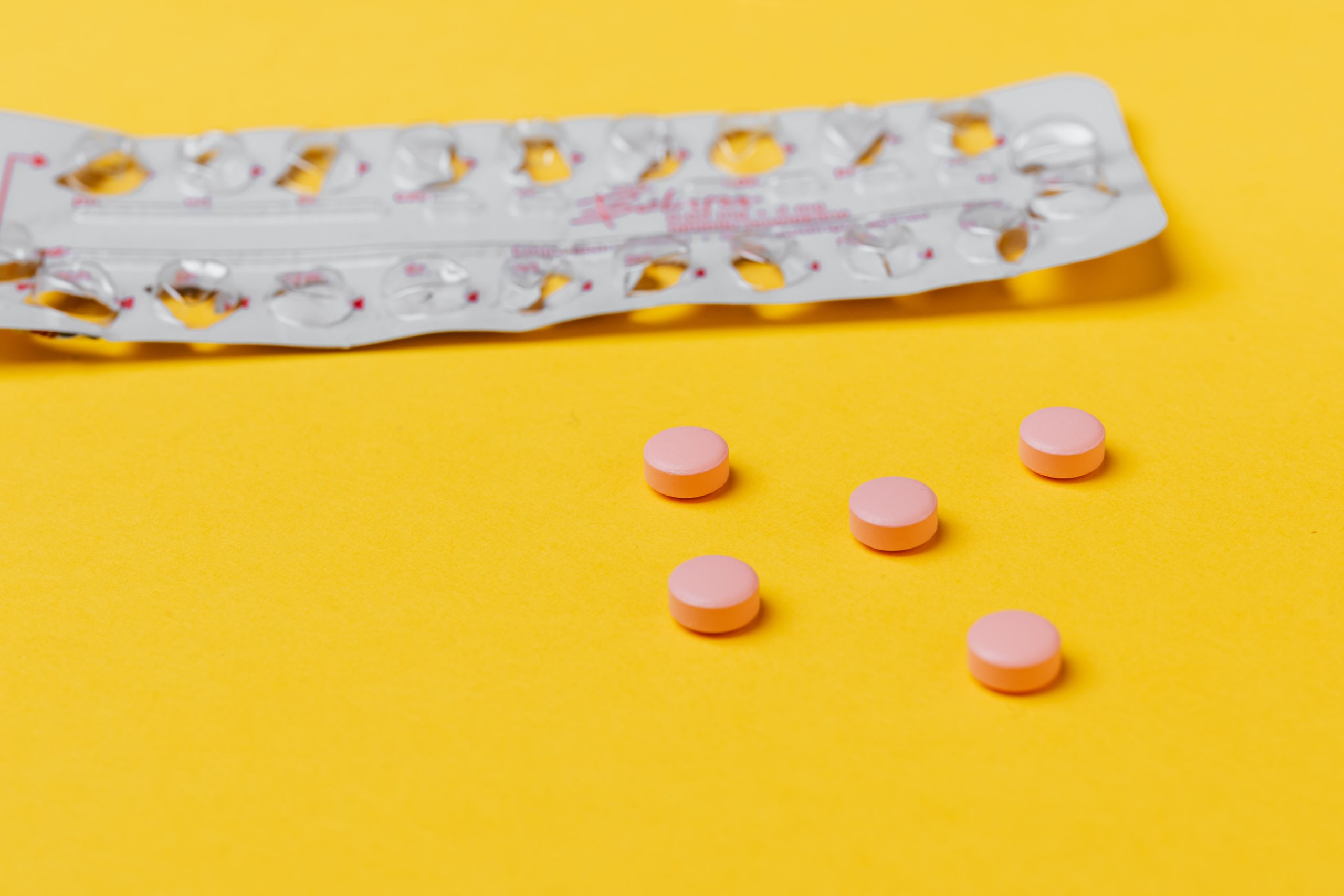
Then perimenopause hit, and my doctor put me on LoLoestrin, a low-dose birth control pill, to manage the wild swings that come with that transition. That was phase two, and it worked well for years.
Now I’m in phase three. With menopause confirmed, I’ve moved to an estrogen and progesterone combination. I still have my uterus, which is why progesterone stays in the mix. Estrogen alone, without progesterone, raises the risk of uterine cancer in women who haven’t had a hysterectomy. That single fact is one of the most important and most under-explained parts of HRT.
I’m also giving my body time to adjust to this new protocol before adding anything else. Once I’m settled into this phase, I’ll talk to my doctor about introducing testosterone. I’d rather get this phase right first than rush the next one.
Why the Fear Runs So Deep
The fear most of us carry traces back to a large study from the early 2000s that linked hormone therapy to breast cancer risk. It made headlines, doctors pulled back on prescribing, and an entire generation of women went into menopause without support they might have benefited from.
What didn’t make the same headlines: follow-up research showing the original study had real limitations, including the age of the women studied and the specific hormone formulations used. Today’s understanding is more nuanced. Timing matters. The type of hormone matters. Your personal health history matters. None of that fits in a scary headline, so most of us never heard it.
Talk to Your Doctor, Not the Internet
I’m not a doctor, and this isn’t medical advice. This is one woman’s experience, shared so other women know they’re not choosing between “terrifying hormones” and “just suffering through it.” There’s a real, researched middle ground, and the right path depends on your history, your symptoms, and your own doctor’s read on your labs. What worked for me in my thirties isn’t what I need now, and what I need now isn’t necessarily what you need.
What I’d say to any woman standing where I was a year ago: don’t let a decades-old headline make this decision for you. Find a doctor who stays current on menopause research, ideally one with NAMS (North American Menopause Society) certification, and have the conversation. Ask about the actual risks for your situation, not the general ones you’ve heard secondhand.
What I’m Doing Alongside HRT
Hormone therapy is doing the heavy lifting, but I still lean on a few daily supplements to support sleep, energy, and gut health while my body adjusts. If you want to see exactly what’s in my daily stack, grab the free guide here.
This post reflects my personal experience with hormone therapy and is not medical advice. Every woman’s hormone needs are different, and any decision about HRT should be made with your own healthcare provider based on your individual health history.